Diabetes
What is diabetes?
Diabetes is a chronic disease that occurs either when the pancreas does not produce enough insulin or when the body cannot effectively use the insulin it produces. Insulin is a hormone that regulates blood glucose. Hyperglycaemia, also called raised blood glucose or raised blood sugar, is a common effect of uncontrolled diabetes and over time leads to serious damage to many of the body’s systems, especially the nerves and blood vessels.
In 2022, 14% of adults aged 18 years and older were living with diabetes, an increase from 7% in 1990. More than half (59%) of adults aged 30 years and over living with diabetes were not taking medication for their diabetes in 2022. Diabetes treatment coverage was lowest in low- and middle-income countries.

In 2021, diabetes was the direct cause of 1.6 million deaths and 47% of all deaths due to diabetes occurred before the age of 70 years. Another 530 000 kidney disease deaths were caused by diabetes, and high blood glucose causes around 11% of cardiovascular deaths (1).
Since 2000, mortality rates from diabetes have been increasing. By contrast, the probability of dying from any one of the four main noncommunicable diseases (cardiovascular diseases, cancer, chronic respiratory diseases or diabetes) between the ages of 30 and 70 decreased by 20% globally between 2000 and 2019
Causes of Diabetes
The World Health Organization (WHO) identifies several causes and risk factors for diabetes, which vary depending on the type of diabetes. Here’s an overview:
Type 1 Diabetes
- Cause: The exact cause is unknown but is believed to result from an autoimmune reaction where the body’s immune system attacks insulin-producing beta cells in the pancreas.
- Possible Triggers:
- Genetic predisposition.
- Environmental factors, such as viral infections.
- Possible Triggers:
- It is not linked to lifestyle factors and cannot be prevented.
Type 2 Diabetes
- Cause: Results from a combination of insulin resistance (where the body’s cells don’t respond properly to insulin) and insufficient insulin production by the pancreas.
- Risk Factors:
- Lifestyle-Related Factors:
- Overweight and obesity.
- Physical inactivity.
- Unhealthy diet (high in sugar and saturated fats, low in fiber).
- Non-Modifiable Factors:
- Genetic predisposition or family history of diabetes.
- Increasing age (more common after age 45).
- Ethnicity (higher prevalence in some populations, such as South Asians, African Americans, and Indigenous peoples).
- History of gestational diabetes.
- Other Factors:
- Chronic stress.
- Certain medical conditions (e.g., polycystic ovary syndrome, hypertension).
- Lifestyle-Related Factors:
- Risk Factors:
Gestational Diabetes
- Cause: Occurs when hormones produced during pregnancy impair the action of insulin.
- Risk Factors:
- Obesity or excessive weight gain during pregnancy.
- Family history of diabetes.
- Older maternal age (age >25 years).
- Ethnic predisposition.
- Risk Factors:
Other Specific Types of Diabetes
- Diabetes can also occur due to:
- Genetic mutations affecting insulin production or action.
- Diseases of the
- pancreas, such as pancreatitis or cystic fibrosis.
- Endocrine disorders, such as Cushing’s syndrome.
- Medications or chemicals, such as glucocorticoids or antipsychotics.
Types of Diabetes
Type 1 diabetes
Type 1 diabetes (previously known as insulin-dependent, juvenile or childhood-onset) is characterized by deficient insulin production and requires daily administration of insulin. In 2017 there were 9 million people with type 1 diabetes; the majority of them live in high-income countries. Neither its cause nor the means to prevent it are known.
Type 2 diabetes
Type 2 diabetes affects how your body uses sugar (glucose) for energy. It stops the body from using insulin properly, which can lead to high levels of blood sugar if not treated.
Over time, type 2 diabetes can cause serious damage to the body, especially nerves and blood vessels.
Type 2 diabetes is often preventable. Factors that contribute to developing type 2 diabetes include being overweight, not getting enough exercise, and genetics.
Early diagnosis is important to prevent the worst effects of type 2 diabetes. The best way to detect diabetes early is to get regular check-ups and blood tests with a healthcare provider.
Symptoms of type 2 diabetes can be mild. They may take several years to be noticed. Symptoms may be similar to those of type 1 diabetes but are often less marked. As a result, the disease may be diagnosed several years after onset, after complications have already arisen.
More than 95% of people with diabetes have type 2 diabetes. Type 2 diabetes was formerly called non-insulin dependent, or adult onset. Until recently, this type of diabetes was seen only in adults but it is now also occurring increasingly frequently in children.
Gestational diabetes
Gestational diabetes is hyperglycaemia with blood glucose values above normal but below those diagnostic of diabetes. Gestational diabetes occurs during pregnancy.
Women with gestational diabetes are at an increased risk of complications during pregnancy and at delivery. These women and possibly their children are also at increased risk of type 2 diabetes in the future.
Gestational diabetes is diagnosed through prenatal screening, rather than through reported symptoms.
Persistent HPV infection of the cervix (the lower part of the uterus or womb, which opens into the vagina – also called the birth canal) if left untreated, causes 95% of cervical cancers. Typically, it takes 15–20 years for abnormal cells to become cancer, but in women with weakened immune systems, such as untreated HIV, this process can be faster and take 5–10 years. Risk factors for cancer progression include the grade of oncogenicity of the HPV type, immune status, the presence of other sexually transmitted infections, number of births, young age at first pregnancy, hormonal contraceptive use, and smoking.

Key facts
- The number of people living with diabetes rose from 200 million in 1990 to 830 million in 2022. Prevalence has been rising more rapidly in low- and middle-income countries than in high-income countries.
- More than half of people living with diabetes did not take medication for their diabetes in 2022. Diabetes treatment coverage was lowest in low- and middle-income countries.
- Diabetes causes blindness, kidney failure, heart attacks, stroke and lower limb amputation.
- In 2021, diabetes and kidney disease due to diabetes caused over 2 million deaths. In addition, around 11% of cardiovascular deaths were caused by high blood glucose.
- A healthy diet, regular physical activity, maintaining a normal body weight and avoiding tobacco use are ways to prevent or delay the onset of type 2 diabetes.
- Diabetes can be treated and its consequences avoided or delayed with diet, physical activity, medication and regular screening and treatment for complications.
Symptoms of Diabetes
Symptoms of diabetes may occur suddenly. In type 2 diabetes, the symptoms can be mild and may take many years to be noticed.
Symptoms of diabetes include:
- feeling very thirsty
- needing to urinate more often than usual
- blurred vision
- feeling tired
- losing weight unintentionally
Over time, diabetes can damage blood vessels in the heart, eyes, kidneys and nerves.
People with diabetes have a higher risk of health problems including heart attack, stroke and kidney failure.
Diabetes can cause permanent vision loss by damaging blood vessels in the eyes.
Many people with diabetes develop problems with their feet from nerve damage and poor blood flow. This can cause foot ulcers and may lead to amputation
Diabetes screening
The World Health Organization (WHO) provides diagnostic criteria for diabetes mellitus based on blood glucose levels. These criteria include measurements of fasting plasma glucose, oral glucose tolerance tests, and glycated hemoglobin (HbA1c) levels. Here’s an overview of the thresholds:
1. Fasting Plasma Glucose (FPG)
- Diabetes: ≥7.0 mmol/L (126 mg/dL)
- Impaired Fasting Glucose (IFG): 6.1–6.9 mmol/L (110–125 mg/dL)
- Normal: <6.1 mmol/L (110 mg/dL)
2. Oral Glucose Tolerance Test (OGTT)
- Measures plasma glucose 2 hours after a 75 g oral glucose load.
- Diabetes: ≥11.1 mmol/L (200 mg/dL)
- Impaired Glucose Tolerance (IGT): 7.8–11.0 mmol/L (140–199 mg/dL)
- Normal: <7.8 mmol/L (140 mg/dL)
3. HbA1c (Glycated Hemoglobin)
- Reflects average blood glucose over the previous 2–3 months.
- Diabetes: ≥6.5% (48 mmol/mol)
- Prediabetes: 5.7–6.4% (39–47 mmol/mol)
- Normal: <5.7% (<39 mmol/mol)
4. Random Plasma Glucose
- Diabetes: ≥11.1 mmol/L (200 mg/dL) in individuals with symptoms of hyperglycemia.
Symptoms and Confirmation:
- If an individual shows symptoms of hyperglycemia (e.g., excessive thirst, frequent urination, unexplained weight loss), a single abnormal glucose reading can confirm diabetes.
- If asymptomatic, confirmation requires a second abnormal test on a different day.
Notes:
- Prediabetes refers to IFG or IGT, which indicates a higher risk of developing diabetes but is not yet diabetes.
- Diagnosis should be made in a clinical setting and interpreted alongside symptoms, medical history, and risk factors.
Always consult a healthcare professional for diagnosis and management of diabetes.
Treatment of Diabetes
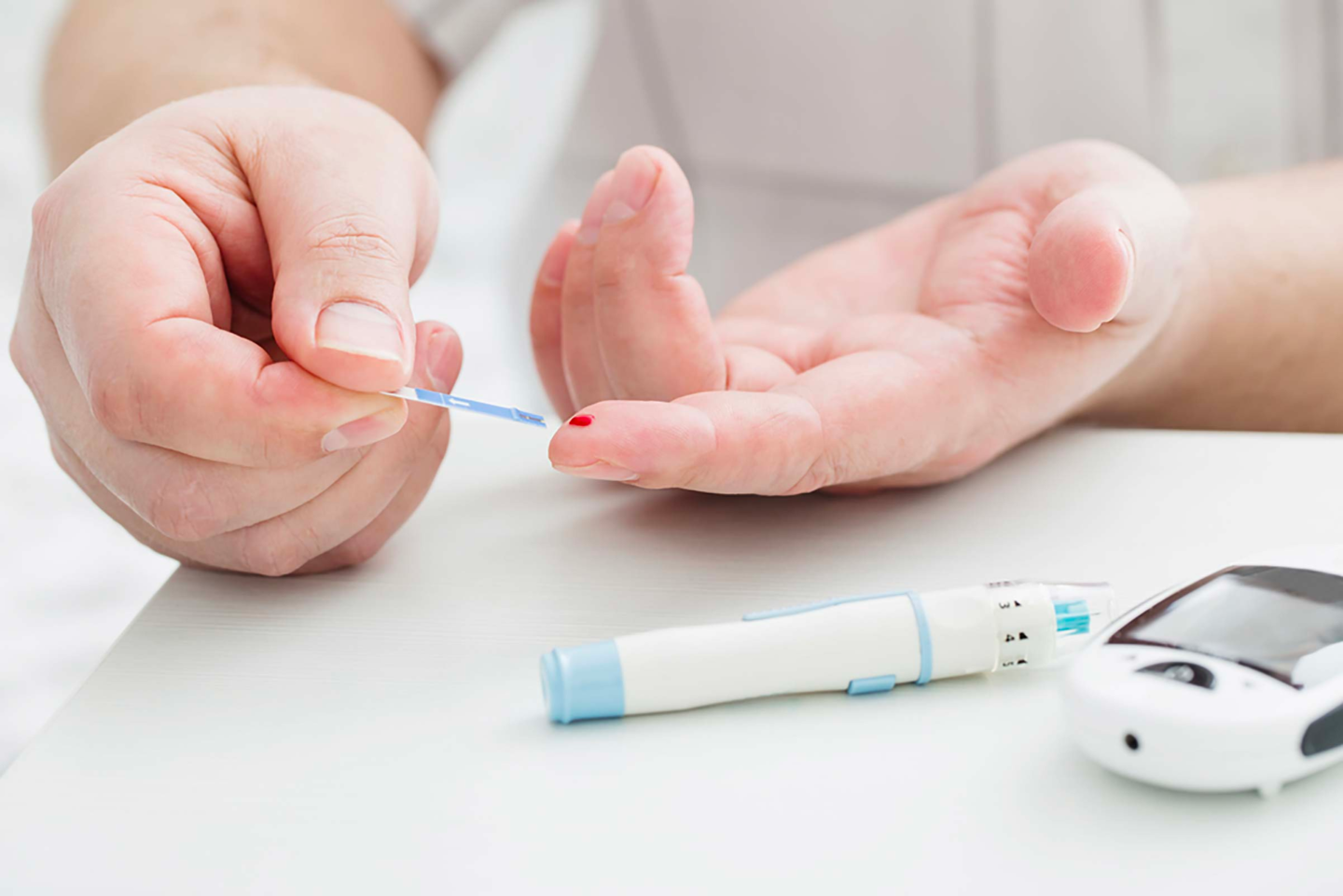
Early diagnosis can be accomplished through relatively inexpensive testing of blood glucose. People with type 1 diabetes need insulin injections for survival.
One of the most important ways to treat diabetes is to keep a healthy lifestyle.
Some people with type 2 diabetes will need to take medicines to help manage their blood sugar levels. These can include insulin injections or other medicines. Some examples include:
- metformin
- sulfonylureas
- sodium-glucose co-transporters type 2 (SGLT-2) inhibitors.
Along with medicines to lower blood sugar, people with diabetes often need medications to lower their blood pressure and statins to reduce the risk of complications.
Additional medical care may be needed to treat the effects of diabetes:
- foot care to treat ulcers
- screening and treatment for kidney disease
- eye exams to screen for retinopathy (which causes blindness).
WHO aims to stimulate and support the adoption of effective measures for the surveillance, prevention and control of diabetes and its complications, particularly in low- and middle-income countries. To this end, WHO:
- provides scientific guidelines for the prevention of major noncommunicable diseases including diabetes;
- develops norms and standards for diabetes diagnosis and care;
- builds awareness on the global epidemic of diabetes, marking World Diabetes Day (14 November); and
- conducts surveillance of diabetes and its risk factors.
In April 2021 WHO launched the Global Diabetes Compact, a global initiative aiming for sustained improvements in diabetes prevention and care, with a particular focus on supporting low- and middle-income countries.
In May 2021, the World Health Assembly agreed a Resolution on strengthening prevention and control of diabetes. In May 2022 the World Health Assembly endorsed five global diabetes coverage targets to be achieved by 2030.
To learn more about the Global Diabetes Compact, to access diabetes-related technical publications to get involved in upcoming initiatives, visit the Global Diabetes Compact webpage.